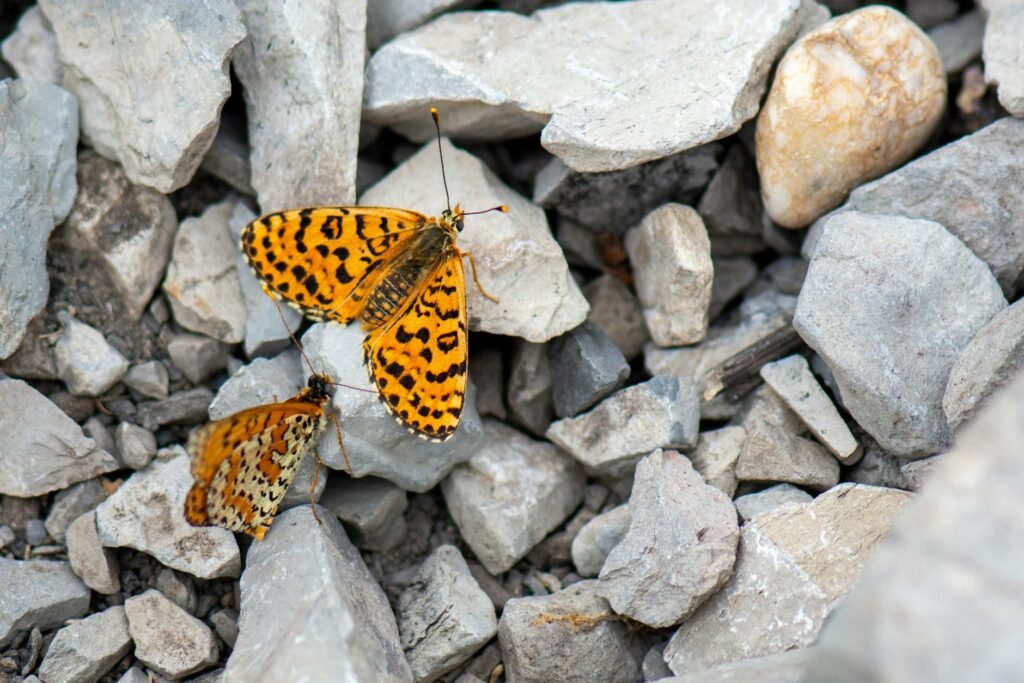
English Edition | C#58 穿越千年的蝴蝶:為什麼現代人依然被《梁祝》感動?What if Liang Shanbo and Zhu Yingtai had lived happily ever after? In the last episode, I shared the story of Liang Shanbo and Zhu Yingtai. When most people think of this story, the first image that comes to mind is the pair of butterflies dancing in the air. We usually see it as a tale of “true love conquers all.” As kids, we’d feel sad when Liang Shanbo fell ill and cry when Zhu Yingtai sacrificed herself, only feeling a little comfort when they transformed into butterflies in the end. But as I’ve grown older and experienced more of life, I’ve started to look at this legend from a different angle. And a bold question came to mind: If Liang Shanbo hadn’t died, if they had actually been together, would this story still be as beautiful? I think the reason the story has lasted over a thousand years is precisely because it’s a tragedy. Regret often leaves a deeper impression than a perfect ending. We have to admit: “regret” fuels the power of storytelling. If Liang Shanbo had successfully proposed, and Zhu Yingtai had married him smoothly, their life together would have been ordinary. The story might have ended up as just another mundane tale of everyday life—hardly a legend that everyone remembers. It’s precisely the “unfulfilled love” and the bittersweet longing that leaves a permanent space in our hearts, a little ache that we keep returning to. That’s what allows the story to transcend time. From a realistic perspective, in an era that valued social status and family background above all, their union was already full of obstacles. Even if Liang Shanbo hadn’t died and married Zhu Yingtai, what would they have faced next? Retaliation from the Ma family? Cold disapproval from Zhu Yingtai’s parents? The grind of everyday married life? When love falls from the poetic world of school days into the mundane routines of life, could their pure feelings have survived unchanged? Here’s a hypothesis I have: Could Liang Shanbo’s death have been a deliberate narrative choice to protect this pure love? Death froze time, allowing their love to remain forever at its most passionate and intense moment. As I mentioned before, “a tragic ending is why the story has lasted for a thousand years.” A perfect ending often means an ordinary, uneventful conclusion, while regret leaves room for eternal remembrance. I think many people, like me, question the necessity of the “sacrifice” in this story. Was it really necessary to give up life for a love that lasted only three years? From a modern perspective, life is precious, and dying for love seems extreme. But looking at it differently, Zhu Yingtai jumping into Liang Shanbo’s grave might not have been simply seeking death—she could have been making a final act of defiance. In a time when women had no autonomy over their own lives, she couldn’t decide her own marriage. Choosing death might have been the only decision she could make for herself. It’s heavy to think about! If she had compromised and married Ma Wencai, she might have truly “died” under the constraints of that era. In other words, jumping into Liang Shanbo’s tomb was her only path to freedom. Honestly, people often say that being together is the only “happy ending,” but I feel Liang Shanbo and Zhu Yingtai teaches us that endings don’t have to be perfect. We tend to think that as long as we live, we’ve “won.” But these two chose not to bow to fate. Even though they didn’t end up together, their regret makes their love even greater and deeper. It’s no longer just a love story; it shows us how far people in the past were willing to go for freedom. That unwillingness to settle for less in the name of love—that’s what truly moves us. Though tragic, the story leaves us with positive energy. It reminds us to cherish the present, because we are luckier than they were. We don’t need death to gain freedom. And it also teaches us: if you are steadfast, true love can overcome obstacles, transform into beautiful butterflies, and finally gain real freedom. Liang Shanbo and Zhu Yingtai has been told for a thousand years, inspiring reflection across generations. It’s the regret that makes the story so enchanting. We don’t need to judge why they sacrificed themselves from a modern perspective—at the time, it might have been the only choice that preserved their dignity. As long as butterflies continue to dance among the flowers, the beauty born from their regret will continue to warm the hearts of everyone who believes in true love. If it were you, would you choose, like them, to never compromise for love—or would you accept fate and live an ordinary life? If you have any thoughts, feel free to leave a comment—I’d love to hear! Phrase of the Week生死相許 (Shēng sǐ xiāng xǔ) Meaning: To pledge love to each other until death; a lifelong commitment. Highlights the depth of devotion, reflecting Zhu Yingtai and Liang Shanbo’s promise and ultimate sacrifice. Sample Sentences: 1. 他們相愛至深,生死相許。
2. 這對戀人發誓要生死相許,永不分離。
3. 她對丈夫的愛讓她願意生死相許。
4. 古代文學中,許多愛情故事都表現出生死相許的精神。
|