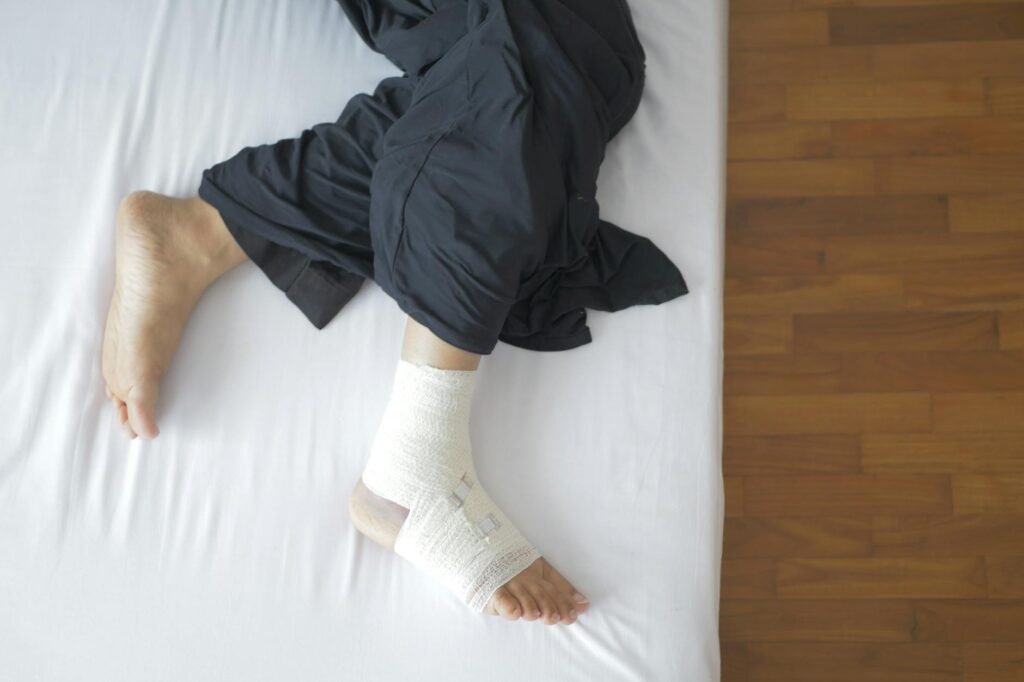
I still remember the first time I truly understood the silent struggle of workers in Taiwan. It wasn’t during a board meeting or in some heated negotiation—it was during a period when I broke my ankle. At the time, I was early in my career. My leg was wrapped in thick bandages and braces, and every step was excruciating. Simple movements—walking from the parking lot to my cubicle, climbing stairs, even standing for more than a few minutes—felt like a monumental effort. I was exhausted, frustrated, and constantly aware that my body was failing me. Yet, I kept showing up. Why? Because the thought of taking proper time off meant facing half my salary. For someone just starting out, that wasn’t a small inconvenience—it was a potential threat to my ability to pay rent, buy food, and cover daily expenses. In Taiwan, sick leave isn’t a safety net; it’s a trade-off. You can rest, yes—but you’ll pay for it financially. I wasn’t alone in this. Nearly every coworker I knew would do the same. Minor injuries, headaches, fevers—they all became reasons to push through, to grit their teeth, and to appear strong. This culture of silent endurance is pervasive, and it’s rarely discussed. People just assume it’s normal. And for many, it is—because the alternative is simply too risky. Cultural and Social Pressure In Taiwan, working while injured isn’t just about money—it’s deeply embedded in social norms. The workplace culture emphasizes loyalty, perseverance, and the appearance of dedication. Admitting weakness or taking extended time off is often perceived as a lack of commitment. There’s also the matter of “face” (面子miànzi). Workers don’t want to appear incapable burdensome to their colleagues or supervisors. If someone is visibly injured or calls in sick frequently, it can affect how others perceive them, whether fairly or not. I remember seeing colleagues with flu or minor injuries showing up day after day, quietly managing their pain at their desks. Nobody made a big deal, and nobody talked about it—but it was clear to everyone. There’s a silent understanding: you push through, or you risk judgment. This pressure is compounded for younger workers, women balancing family responsibilities, or employees in competitive industries. Everyone feels the subtle, unspoken expectation to endure, to show resilience, and to not let personal needs interrupt work. Economic Necessity Cultural pressure is powerful, but money often dictates behavior. In Taiwan, sick leave comes with limitations: 30 days per year, and only half pay. Even hospitalization may be partially covered at 50%, and there are combined caps that make extended recovery financially impossible for most people. I learned this the hard way. During my ankle recovery, I would limit my water intake at work so I wouldn’t have to walk to the restroom frequently. I would pace my steps painfully across the office, trying to appear composed. By the time I finished my rehabilitation sessions at the hospital, it was often 9 PM, leaving barely any energy for myself. It’s not an exaggeration to say that for many people, taking sick leave in Taiwan is a financial sacrifice almost equivalent to a luxury. That’s why so many push through pain—even serious injuries—just to make ends meet. Early-career workers or single-income earners have no choice but to prioritize survival over recovery. Parents supporting families may suppress their injuries entirely. Economic necessity forces people with injuries to make the practical decision to keep working. A Comparison With Other Countries The contrast becomes glaring when we look at other countries. Germany, for example, has a completely different philosophy. Workers there receive full pay for six weeks during illness, followed by 70% coverage through health insurance. Small businesses are reimbursed for most of the cost. The system isn’t just generous—it’s human-centered. In Germany, working while injured is a choice, not a requirement. People can rest properly without worrying that their survival is at stake. The contrast is striking: while Taiwanese workers silently endure financial and physical stress, Germans can recover fully, then return to work healthier and more productive. This isn’t to criticize Taiwan—every system has trade-offs—but the difference reveals how policy shapes behavior. When financial security is tied to showing up, it’s no surprise that people work while injured. When it isn’t, workers can afford to prioritize their health. Health vs. Productivity Dilemma The irony is that pushing through injuries doesn’t necessarily improve productivity. In fact, it often does the opposite. I spent six months on a broken ankle moving painfully slowly, limited in my physical capacity. My work wasn’t necessarily better for showing up—it was slower, and I was mentally drained from constantly managing my injury. There’s also the long-term cost. Working while injured can worsen conditions, create chronic problems, and increase stress and anxiety. Yet, because the system penalizes taking time off, the most vulnerable moment for workers—the period of illness or injury—becomes the moment of greatest stress. Even today, I notice the same pattern around me. People come to work with fevers, headaches, and injuries, quietly managing pain while trying to keep up appearances. The workplace silently condones it, and everyone benefits from the short-term presence of a “dedicated” worker—but the long-term human cost is high. The Unspoken Reality Why doesn’t anyone talk about this? Partly because of stigma. Admitting vulnerability is uncomfortable. Partly because the system encourages silence: taking sick leave is financially costly and culturally frowned upon. And partly because, for many, this is simply “normal.” I’ve seen countless colleagues hide injuries, brush off doctor’s advice, and even avoid hospital visits just to maintain their work streak. Everyone knows it happens, but no one discusses it openly. That silence reinforces the cycle: if you need to work while injured, you won’t get advice, empathy, or support. You do it quietly, because no one else talks about it. Call for Awareness and Reflection This is why I believe we need more awareness and dialogue around working while injured. It’s not just a personal issue—it’s a societal issue. Policies and culture both shape how we respond to illness and injury. Even small steps matter: clear sick leave policies, supportive managers, open conversations about health, and financial safety nets can shift behavior. Organizations and communities benefit when workers can recover properly, both physically and mentally. For individuals, reflection is key. Ask yourself: Are you pushing through pain because you want to, or because the system makes you feel like you have no choice? How might you support colleagues facing similar challenges? Awareness is the first step toward meaningful change. Human-Centered Perspective Working while injured isn’t heroism—it’s a necessity imposed by culture, policy, and financial pressure. If there’s one lesson I’ve learned from my broken ankle, it’s this: health is non-negotiable. Work is important, yes, but nothing meaningful can happen if the person behind it isn’t cared for. So next time you see someone silently managing pain, remember that their presence isn’t just dedication—it’s survival. And maybe, just maybe, we can start talking about it. Because until we do, the silent struggle will continue, unnoticed but very real. What about you? Have you ever worked while injured? What pressures kept you at your desk instead of resting? I’d love to hear your stories—because this is a conversation we need to have. Latest EpisodeIn this week’s episode, C#51 德國的病假政策讓台灣人羨慕 (Déguó de bìngjià zhèngcè ràng Táiwān rén xiànmù). I want to talk about something that honestly shocked me when I first learned about it—how differently countries treat people when they get sick. I’ll be comparing sick leave policies in Germany and Taiwan, and sharing a very personal experience from early in my career, when I worked for months with a broken ankle simply because I couldn’t afford to lose half my salary. This episode isn’t about complaining—it’s about asking a bigger question: what does a society value when its workers are at their most vulnerable? And why do so many people in Taiwan choose to work while sick? Listen to the latest Podcast Phrase of the Week雪上加霜 (xuě shàng jiā shuāng)Meaning: To make a bad situation even worse. Sample Sentences:
– Shēngbìng yǐjīng hěn xīnkǔ le, kòu bàn xīn gèng shì xuě shàng jiā shuāng. – Being sick is hard enough—cutting pay makes it worse.
– Duì xǔduō jiātíng lái shuō, zhè zhǒng zhìdù jiǎnzhí shì xuě shàng jiā shuāng. – For many families, this policy adds insult to injury.
– Zài zuì cuìruò de shíhòu chéngshòu jīngjì yālì, zhēn de shì xuě shàng jiā shuāng. – Facing financial pressure at your weakest moment is truly devastating.
– Zhèyàng de bìngjià zhìdù ràng shēngbìng gèng jiā xuě shàng jiā shuāng. – Such a sick leave system makes being sick even worse. |