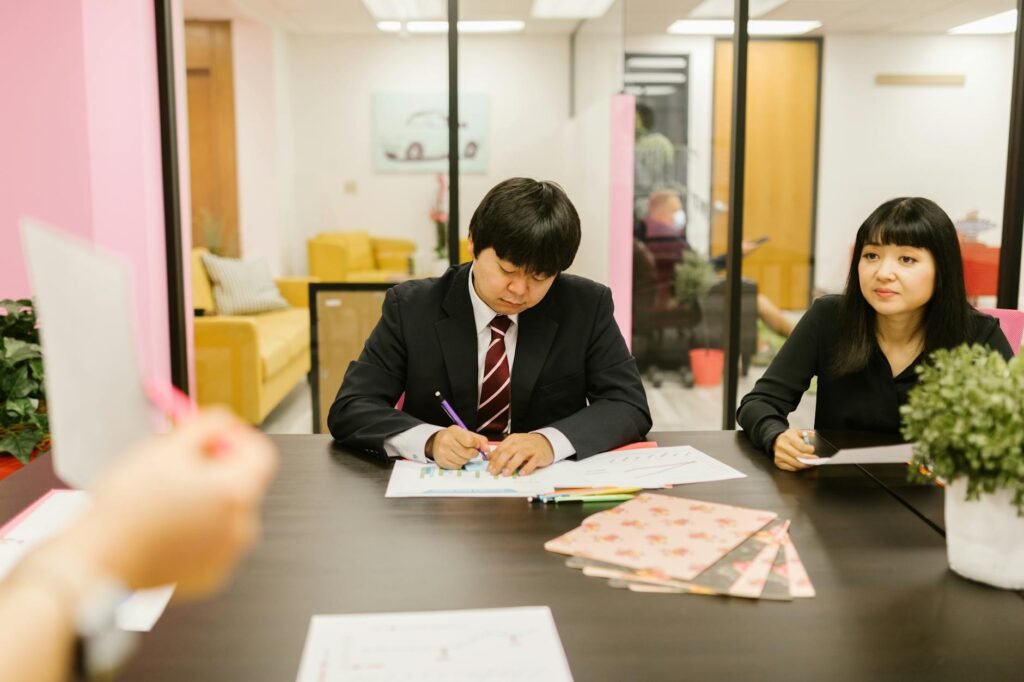
Work Culture in TaiwanHaving worked in Taiwanese offices for years, I’ve learned that the work culture here is a unique mix of tradition, modern efficiency, and unspoken expectations. What I’ve noticed is that culture can vary significantly depending on the industry and type of company, as well as the size and leadership style. In Taiwan, international companies often have a structured environment, with clear procedures, flexible working hours, and a balance between Western management styles and local practices. Teamwork and efficiency are emphasized, and ideas are encouraged from all levels of the organization. Communication tends to be more direct, but respect for hierarchy and senior colleagues remains important. In these companies, formal meetings, performance reviews, and clear reporting lines help everyone understand expectations. In contrast, local companies, especially family-run or startup enterprises, usually adopt a more informal yet customary approach. Relationships and personal connections are highly valued, and understanding nuanced expectations and unwritten rules is essential. Even small gestures, such as greeting colleagues properly, offering help proactively, or remembering personal details about teammates, can make a meaningful difference. In these environments, flexibility is often prized, but you need to quickly learn how decisions are made and whose opinion carries the most weight. These experiences taught me that understanding a company’s culture, size, and industry context is just as important as knowing its official rules. Thriving in a Taiwanese workplace requires more than completing tasks. It involves observing interactions, adapting to expectations, and learning how to communicate effectively while respecting hierarchy. You also need to understand the subtle differences between industries—for example, tech startups may encourage risk-taking and experimentation, while manufacturing companies may rely heavily on established processes and chain-of-command. Let me share practical tips to help anyone navigate office dynamics, work hours, hierarchy, and unwritten rules, whether you’re joining an international company or a local enterprise in Taiwan. Office Dynamics: Collaboration with RespectTeamwork and harmony are central to Taiwanese offices. Collaboration is close-knit, but there is always respect for seniority. Meetings may encourage discussion, yet the final decision typically comes from the manager. Building good relationships is crucial. Simple gestures, like greeting colleagues in the morning, acknowledging senior staff during meetings, or offering to help with tasks, help create a positive atmosphere. People respond well when you balance friendliness with respect. Over time, these small actions build trust and make it easier to work on complex projects or propose new ideas. Work Hours: The Reality of OvertimeOfficially, the workweek in Taiwan is around 40 hours, typically 8 am to 6 pm. However, overtime is common, especially during busy periods or tight deadlines. Staying late occasionally is often viewed as dedication and commitment. At the same time, it’s important to find a balance and manage your energy, as burnout can happen if you consistently overwork. Observing when colleagues stay late and how managers respond can give you insight into workplace expectations without compromising your well-being. Hierarchy and Unwritten RulesHierarchy shapes decisions and interactions in Taiwanese offices. Key unwritten rules include:
Paying attention to how colleagues interact, including body language and tone, helps you navigate these rules without overstepping boundaries. Learning when to speak up and when to observe is an essential skill that comes with experience. Navigating Hierarchy: Making Your Voice HeardRespecting hierarchy doesn’t mean staying silent. You can contribute effectively by:
By combining respect with thoughtful contribution, you demonstrate professionalism and build credibility while still expressing your ideas. ConclusionWorking successfully in Taiwan requires collaboration, cultural awareness, and strategic communication. By respecting hierarchy, understanding unwritten rules, and focusing on efficiency, you can grow and thrive in the workplace. For anyone joining a Taiwanese office: observe, learn, and adapt. Understand that your contribution isn’t only measured by the tasks you complete, but also by how well you navigate office dynamics, build relationships, and respond to cultural nuances. These skills are the keys to not just surviving, but truly enjoying and succeeding in Taiwanese work culture. Useful Mandarin Vocabulary
|