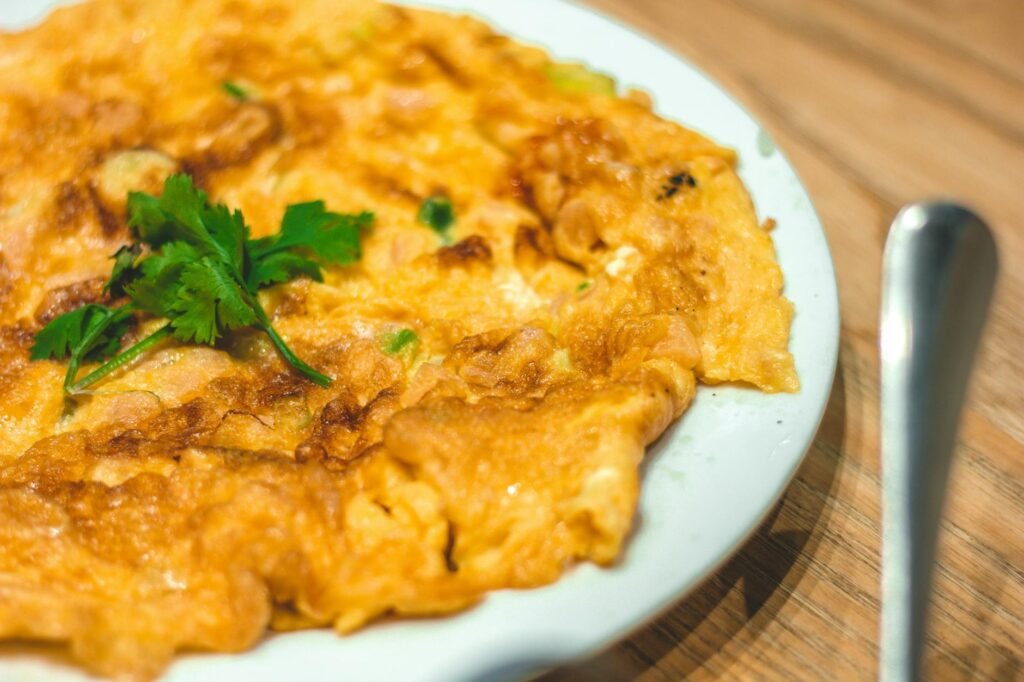
There’s a certain magic in Taiwanese stir-fry shops that you can’t quite capture with words — it’s the sizzling woks, the fragrant aroma, the clatter of utensils, and the laughter of friends sharing a meal. The first time you step into a hot stir-fry shop, you may be overwhelmed by the sights and smells, but you may quickly realize: this is where Taiwan’s real night culture comes alive. For anyone visiting Taiwan, these shops aren’t just places to grab dinner — they’re mini cultural classrooms. You can learn about local flavors, experience authentic dining habits, and even pick up a few Taiwanese words while you’re at it. Today, I want to share my personal guide on how to navigate a Taiwanese stir-fry shop like a local, including some tips I’ve learned from years of enjoying these meals with friends and family. Step 1: Choosing the Right ShopWhen it comes to stir-fry shops, the first step is picking the right spot. Here’s my secret: follow the crowd. The livelier the place, the better. If you see a busy shop with woks blazing, steam rising, and tables full of locals laughing over beer and plates of sizzling dishes, you know you’ve found a winner. Look for fresh ingredients and variety. A good stir-fry shop doesn’t just serve meat — you’ll see tables with colorful vegetables, seafood, and a mix of small dishes that are perfect for sharing. Some shops even have fun touches, like playful signage, local art, or staff encouraging you to try a special dish of the day. The first time you walk into a stir-fry shop alone, you may feel slightly intimidated. So many dishes! So many unfamiliar names! But don’t panic. Just scan the menu, order a mix of familiar and new dishes, and just dive in. That became my approach too. Step 2: Reading the Menu Like a LocalMenus in Taiwan can be overwhelming, especially if you’re not familiar with the language. The key is to start with the essentials. Most menus are organized by meats, seafood, vegetables, and fried snacks. Take a moment to scan for dishes you know, like cabbage (高麗菜, gāo lí cài) or water spinach (空心菜, kōng xīn cài), then explore something new. One of my personal suggestions is to look at the pinyin and translation. It makes ordering smoother and also teaches you a few useful words to impress your friends. I even created a handy menu guide with pinyin and dish names — so next time you go with friends, you’ll not only feast, but also have fun chatting about what to order! 💡This menu, 台式熱炒菜單 (Taiwanese Stir-Fry Menu), includes classic dishes you can find at most stir-fry shops across Taiwan. And it’s free for my Study Guide subscribers! If you’re interested, swing by my Ko-fi page to download it — your support helps me keep creating more learning resources. Step 3: Ordering TipsOne of the first things I learned is that Taiwanese dining is all about sharing. It’s rare for someone to order just one dish for themselves. Instead, you’ll see friends and colleagues ordering a variety of plates and placing them in the center of the table. That’s part of the experience — trying a little of everything, mixing flavors, and chatting as you eat. Start with must-try classics. Here’s my personal lineup:
When ordering, balance meat and vegetables, consider spice levels, and remember — portions are often meant to be shared. Don’t be afraid to ask the staff for recommendations — locals love giving tips on what’s best that day. Step 4: Enjoying the ExperienceEating at a stir-fry shop isn’t just about the food — it’s about the energy. Woks sizzle, aromas fill the air, and the clatter of dishes creates a rhythm that feels alive. I love watching the chefs at work — flipping food at high speed over open flames, each move deliberate yet rapid, locking in flavor and texture. Don’t forget the drinks! While some go for beer, others enjoy soft drinks. Pairing your dishes with drinks adds another layer of enjoyment. Some shops even have playful touches like beer promotion staff — it’s all part of the fun. For me, one of the best things is eating together with friends. I remember sitting at a long table, sharing pineapple shrimp balls and preserved radish omelets, swapping stories, and laughing until our sides hurt. That’s when a stir-fry shop truly becomes more than food — it becomes memory and connection. Step 5: Insider TricksHere’s where I reveal a few local secrets:
Step 6: My Family Memories & Personal StoriesFor me, stir-fry shops aren’t just about eating out — they connect back to my childhood and family traditions. Growing up, dishes like preserved radish omelets and stir-fried cabbage were staples at home. I remember nights when my family would gather around the table, piling food high, sharing laughs, and enjoying the simple satisfaction of a full stomach. Eating at a stir-fry shop today brings back that feeling — the comfort, nostalgia, and the joy of communal dining. My Menu GuideTo make your first visit easier, I created a handy menu guide with pinyin and dish names — so next time you go with friends, you’ll not only feast, but also have fun chatting about what to order! ConclusionNavigating a Taiwanese stir-fry shop is more than just eating — it’s a lesson in culture, a journey through flavors, and an opportunity to connect with friends and locals. From the sizzling woks to the crispy, fragrant dishes, every bite tells a story. So next time you find yourself in Taiwan, step into a stir-fry shop. Watch the chefs work their magic, order a mix of meat and vegetables, share your dishes, and immerse yourself in the energy of the place. And don’t forget — download the menu guide to make your experience smoother and more fun. Trust me, once you start, you’ll never want to miss a night at a Taiwanese stir-fry shop again. Latest EpisodeIn this week’s episode,C#53 你不能錯過的台灣味:吃熱炒、看菜單、聊文化,一次打包! (Nǐ bù néng cuòguò de Táiwān wèi: chī rèchǎo, kàn càidān, liáo wénhuà, yīcì dǎbāo!) I’m taking you on a flavorful journey through Taiwanese stir-fry shops — one of the most authentic and lively parts of Taiwan’s night culture. I share my personal memories of growing up enjoying many dishe from the stir-fry shops. This episode is not just about food — it’s about community, culture, and the joy of sharing meals with friends and family. I also introduce some essential Taiwanese words for ordering these dishes, like 鳳梨蝦球 (fèng lí xiā qiú) and 菜脯卵 (cài pǔ dàn), so that next time you visit a stir-fry shop, you can confidently join in the fun. Whether you’re a foodie, a Taiwan culture enthusiast, or just curious about night markets, this episode is packed with tasty tips, fun memories, and language lessons that bring Taiwan to life — one sizzling wok at a time. Listen to the latest Podcast Phrase of the Week 大快朵頤 (dà kuài duǒ yí)Meaning: To eat heartily and enjoy every bite Sample Sentences: 1. 我在熱炒店點了滿桌菜,大快朵頤,完全忘記工作壓力。
2. 小時候家人聚餐,我總是大快朵頤,尤其愛鳳梨蝦球。
3. 我喜歡大快朵頤,享受食物。
4. 熱炒店的菜色豐富,讓人忍不住大快朵頤。
|