
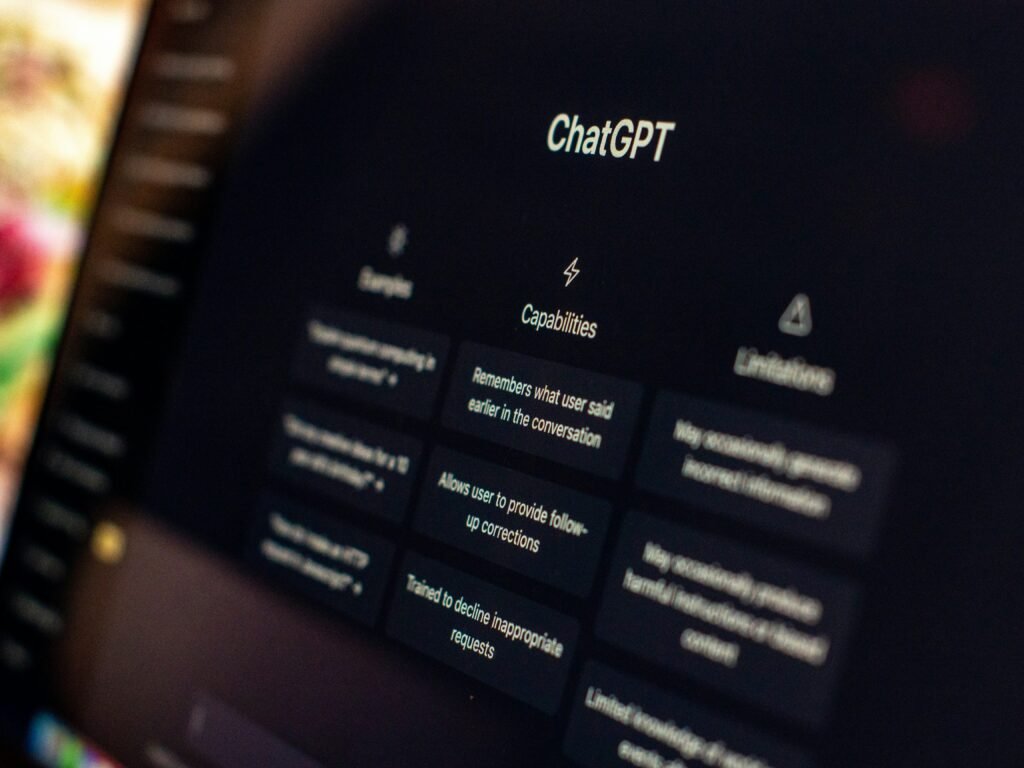
Artificial Intelligence (AI) has rapidly entered our daily lives—answering our questions, writing for us, generating images, even chatting with us like a friend. When I first encountered AI, I was fascinated. The idea of a machine that could talk naturally, answer instantly, and never get tired seemed magical. I played with it, asked it questions, and even practiced conversations with it.
Then, a question began to grow in my mind: if AI can already do so much, why wouldn’t learners switch completely to AI? Especially in language learning, such as Mandarin Chinese, would people really continue to choose learning from a human teacher when AI seems cheaper, faster, and endlessly available?
I imagined a future where students stop booking lessons with human teachers and instead talk to AI daily for free. AI could provide endless dialogues, correct grammar, and even simulate real-world scenarios. So, would the profession of language tutoring slowly fade away?
But the more I thought about it, the more I realized something was missing. When I asked learners why they still chose me, a real human, as their teacher, their reasons uncovered a deeper truth: language learning is not just about information. It’s also about human connection.
My Observations About Why Learning with a Real Tutor Can Benefit
Through teaching and reflecting on my own experiences, I’ve noticed several reasons why human tutors still hold an irreplaceable role.
a) Human Interaction Helps People Grow
Language is not only about words—it’s about relationships. When we interact with another person, we respond not just to their words but also to their tone, expression, and body language. For example, a smile softens criticism, while a frown may signal disagreement. These subtle messages are difficult for AI to fully capture.
More importantly, human interaction trains us to react in real time. In real life, we don’t always face perfect sentences or friendly tones. Sometimes people speak too fast, use slang, or even argue with us. By practicing with a human tutor, learners prepare themselves for the unpredictable nature of real-world communication. This helps them grow—not only as language users but as people who can adapt to different social situations.
b) Language Localization
A language is not a floating system of grammar and vocabulary; it is tied deeply to culture. Human tutors bring localization—they help learners understand how the language is actually used in daily life, in social groups, and in cultural contexts.
For instance, in Mandarin Chinese, how you greet an elder differs from how you greet a friend. Certain phrases may sound polite in theory but come across as stiff or unnatural in practice. A human tutor can share these small but vital cultural details because they live them. AI may provide correct sentences, but it cannot fully teach you how language lives inside society.
c) Curiosity and Empathy
Humans are naturally curious about other people’s lives. We learn not only through textbooks but also through stories, emotions, and shared experiences. When a learner asks me about my childhood memories in Taiwan, or why certain traditions exist, they’re not just learning words—they’re building empathy and connection.
This kind of curiosity feeds motivation. Learners enjoy language more when it is tied to real human stories. AI, however, does not truly live a life. It can generate fictional stories, but they lack the depth of authentic experience.
Advantages of Using AI, But Not Applicable to Some Needs
I don’t deny the fact that AI has significant advantages in learning. In fact, many of its features are highly useful.
a) No Fear of Failure
One of the biggest challenges in language learning is the fear of making mistakes. Many learners worry about being judged or corrected harshly. AI, however, is endlessly patient. It never loses its temper, never laughs at errors, and always responds. This can create a safe space for learners to practice freely without embarrassment.
But here lies a paradox: while AI never rejects you, real life often does. Facing disagreement, rejection, or even criticism is part of communication. Learning to accept and adapt to others’ judgments is a critical skill. If learners only practice with AI, they may avoid the discomfort of failure—but they also miss the chance to build resilience and social maturity.
b) Available 24/7
Unlike human tutors, AI is always awake. No scheduling is required, no time zones, no holidays. This is incredibly convenient for learners with irregular routines. AI can even act as a constant companion, offering small talk or practice whenever needed.
However, this endless availability can create illusions. If a learner spends all their time with AI, they may start treating it as a replacement for real human connection. While AI can reduce loneliness temporarily, it cannot replace the richness of real companionship. The danger is that people may retreat into the comfort of AI, making real social interaction feel harder and more draining.
c) Efficiency and Customization
AI can instantly generate vocabulary lists, grammar drills, or practice dialogues tailored to a learner’s level. It remembers progress if designed well and adapts quickly. For repetitive tasks, it is unbeatable.
But here again, efficiency is not the whole story. Language learning is not just a transaction of knowledge—it is an experience. The emotional bond with a teacher, the encouragement during struggles, and the shared laughter over mistakes cannot be automated.
The Bottom Line
AI is powerful, and its role in education will continue to grow. It can be a supportive tool, a patient assistant, and a 24/7 practice partner. For beginners, especially, it may lower the barrier to entry and provide a safe place to start.
But AI cannot replace everything. It cannot fully simulate human interaction, convey cultural depth, or satisfy our curiosity about real people’s lives. It cannot teach us how to handle disagreement, rejection, or the complexity of emotions in real conversations.
Ultimately, language learning is not just about mastering words—it is about becoming part of a community. That requires interacting with real humans. While AI can support the journey, relying on it alone risks creating isolation instead of integration.
Yes, maintaining relationships with people can be tiring. Disagreements, misunderstandings, and differences drain energy. But it is exactly through these challenges that we grow. AI may give us comfort, but humans give us meaning.
So, the question is not whether AI will replace human tutors.
The better question is: how can we balance the strengths of both?
The ideal path is not to reject AI but to use it wisely—let it handle drills, corrections, and endless practice, while leaving the heart of learning, human connection, to real teachers. If you’re someone learning Mandarin Chinese and want to explore this balance, I invite you to check out my Taiwan Language Episode Podcast. Each episode is designed to give you the human side of language learning, with stories, culture, and insights from a real Taiwanese perspective—plus Study Guide to help you follow along with confidence. AI can give you practice, but podcasts like this can give you connection. In the end, learning with people—interacting, sharing stories, and growing together—is what makes us whole. AI can be a valuable partner, but it should never replace the joy and richness of human relationships.