In Taiwan, many major life events—such as moving to a new house, starting a business, honoring ancestors, or getting married—are deeply influenced by cultural traditions and taboos.
Why is this the case? Because timing is believed to be essential. People often consult the Farmer’s Almanac to select an auspicious day, hoping that the right timing will bring good fortune and help avoid misfortune. To better illustrate this idea, let’s take one widely held belief as an example: the concept of an “inauspicious year for marriage,” which many Taiwanese take seriously when planning their weddings.
In Taiwan’s traditional Farmer’s Almanac, there is a concept known as the “Gu Luán Year” (孤鸞年), often referred to as an inauspicious year for marriage. As the name suggests, “gu” (孤) means lonely, while “luán” (鸞) refers to a mythical bird similar to a phoenix, called the luan bird.
According to legend, seeing a luan bird brings good fortune and blessings. Over time, the bird came to symbolize harmonious and happy marriages. There’s even a traditional saying: “luán fèng hé míng” (鸞鳳和鳴), meaning “the luan and phoenix singing together,” which is used to describe a loving and harmonious relationship between husband and wife.
But what if only one bird remains after losing its partner? That lone bird is called a “gu luán” (孤鸞)—a symbol of loneliness and loss. This symbolism carries over into the Farmer’s Almanac.
A Gu Luán Year occurs when there are two occurrences of “Lìchūn” (立春), a solar term marking the start of spring, within a single lunar year. Traditionally, this year is considered inauspicious for marriage.
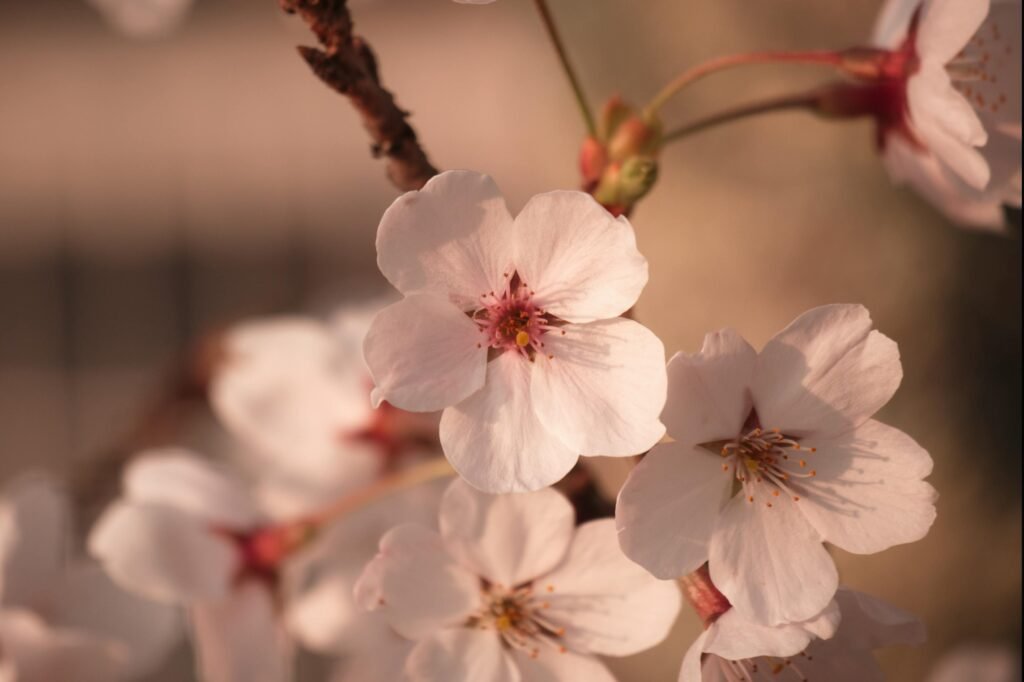
Why is that? In Chinese symbolism, “spring” (春) is associated with “peach blossoms”, which represent romance or new relationships. Having two “springs” in one year implies the potential for a “second spring,” or a new romantic interest outside the marriage. This is thought to suggest a higher risk of infidelity, which leads to an unstable marriage. Because of this belief, a Gu Luan Year is traditionally considered unfavorable for weddings, as it symbolizes potential separation, loneliness, or marital discord—just like a luan bird left without its partner.
Taiwan’s population is aging, and at the same time, the divorce rate remains relatively high. This shows that even though many people have followed the Farmer’s Almanac to choose their wedding dates, the outcomes haven’t always met expectations.
Simply relying on the almanac doesn’t guarantee a happy marriage.
To build a strong and lasting relationship, you need more than just choosing a lucky day—you need commitment, communication, and a shared willingness to face life’s challenges together.
A good marriage doesn’t come from a calendar calculated thousands of years ago. It comes from your own determination.
Latest Episode
In this week’s episode, C#35 農民曆決定一個人一生的大小事, we discuss how Taiwan’s traditional Farmer’s Almanac influences important life decisions like weddings, moving, and ancestor worship.
The almanac combines ancient astronomy and agricultural wisdom to help people choose auspicious days. While many still rely on it for guidance, some view it as superstition. Although the almanac offers cultural insight and comfort, true success depends on personal effort and attitude. I’d like to invite you to consider how much you trust tradition versus your own choices in shaping your life’s path.
Phrase of the Week
耳提面命 (ěr tí miàn mìng):
To give repeated, earnest advice
Literally meaning: to lift the ear and speak face-to-face.
Context for this episode: It describes someone—usually an elder, parent, or teacher—who gives sincere, careful, and face-to-face guidance, often with concern and a sense of urgency. It’s used to express deep care or responsibility, especially in passing on important values or lessons.
Sample Sentences:
- 老師在我畢業前,耳提面命地叮嚀我要誠實做人、踏實做事。
Lǎoshī zài wǒ bìyè qián, ěr tí miàn mìng de dīngníng wǒ yào chéngshí zuòrén, tàshí zuòshì.
Before I graduated, my teacher earnestly reminded me to be honest in character and diligent in work.
- 雖然爸媽的話有時候很囉唆,但我知道他們是耳提面命,希望我不要走錯路。
Suīrán bà mā de huà yǒu shíhòu hěn luōsuō, dàn wǒ zhīdào tāmen shì ěr tí miàn mìng, xīwàng wǒ bú yào zǒu cuò lù.
Although my parents can be naggy at times, I know they’re giving me heartfelt advice, hoping I don’t take the wrong path.
Found this share useful or inspiring?
Here’s what you can explore next:
👉 Love learning Taiwanese culture & language? Subscribe to free newsletter for different topics & fresh phrases straight from Taiwan!
🎓 Ready for more? Get the monthly Study Guide. You’ll get the full transcript in Mandarin Chinese with Pinyin, and Taiwanese with both Romanization and local phonetic symbols. The Study Guide also includes key vocabulary, reading comprehension questions with answer keys, and a few bonus questions to help you think deeper about the topic.
👉 Listen to more podcast episode? In each episode, I’ll explore various topics, from introducing Taiwan to discussing unique perspectives on different issues from a local Taiwanese individual.